Grow Bigger Tomatoes And Peppers With Companion Planting
Grow Bigger Tomatoes and Peppers with Companion Planting
Tomatoes and peppers are two of the most popular vegetables to grow in home gardens. They're delicious, versatile, and relatively easy to care for. But did you know that you can boost their yields and improve their health by companion planting?
Companion planting is a gardening practice that involves planting certain plants together to benefit each other. Some plants attract beneficial insects, while others deter pests. Some improve soil fertility, while others provide shade or wind protection.
When it comes to tomatoes and peppers, there are a number of companion plants that can help you grow bigger, healthier fruits. Here are a few of the best:
- Basil: Basil is a classic companion plant for tomatoes. It helps to repel aphids, spider mites, and whiteflies, all of which can be major pests for tomatoes. Basil also enhances the flavor of tomatoes, so it's a win-win for both plants.
- Marigolds: Marigolds are another great companion plant for tomatoes. They help to repel nematodes, which are microscopic worms that can damage tomato roots. Marigolds also add a splash of color to the garden, and they're easy to grow.

- Onions: Onions have a strong smell that can repel a variety of pests, including thrips, beetles, and root maggots. They also help to improve soil drainage, which is important for tomatoes.

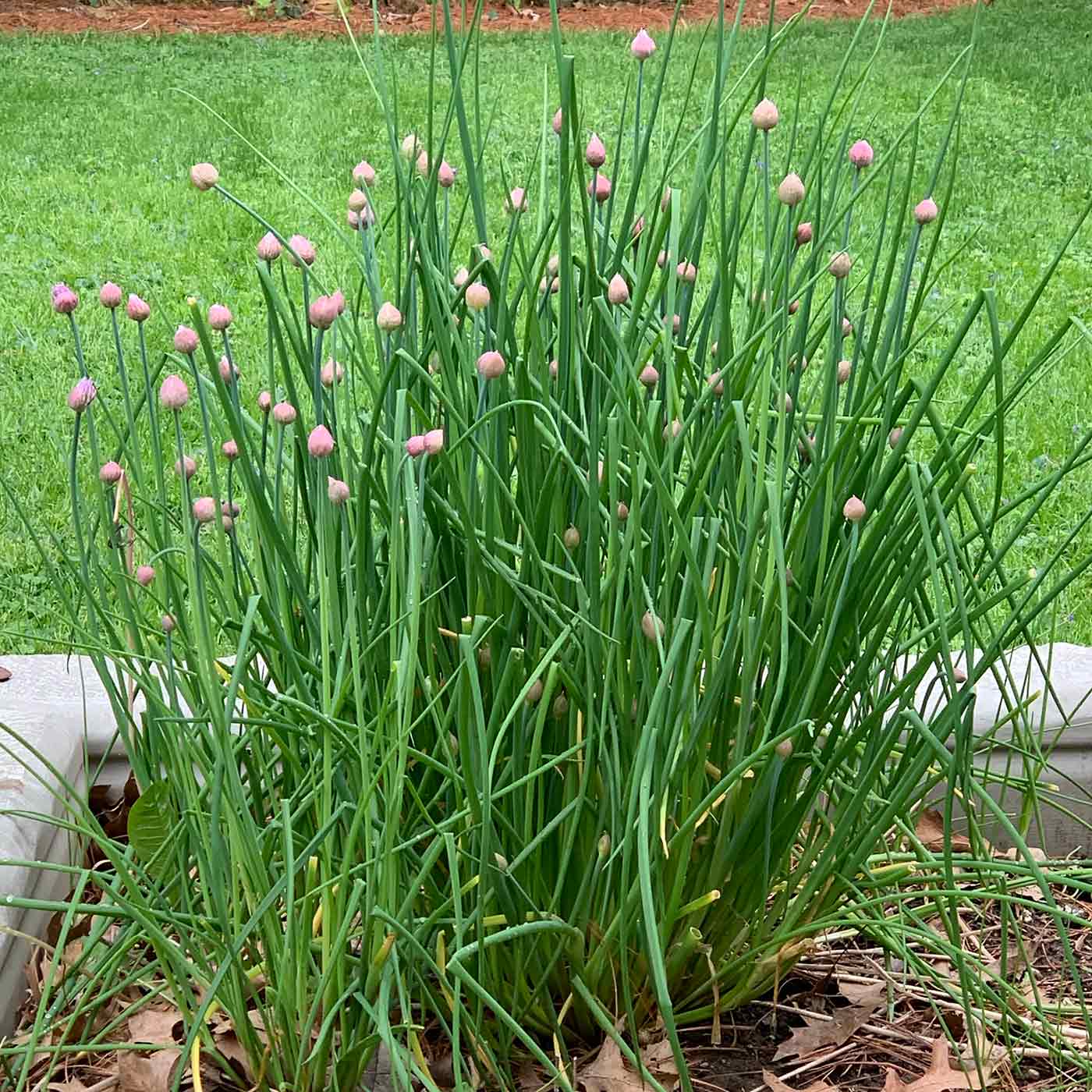
- Chives: Chives are another member of the allium family, and they share many of the same benefits as onions. They're also a good source of nitrogen, which can help to fertilize tomatoes.
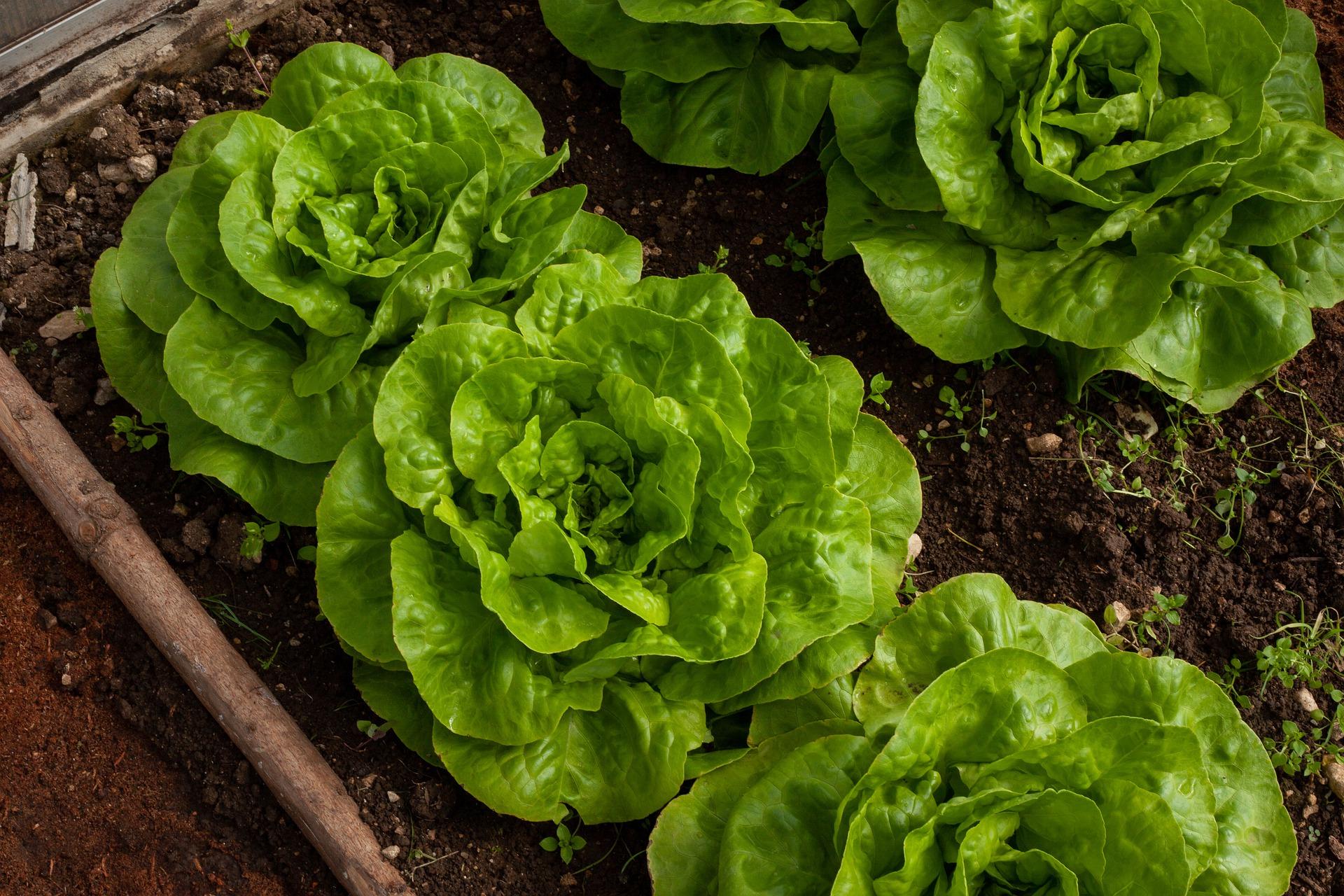
- Lettuce: Lettuce is a low-growing plant that can help to suppress weeds in the tomato bed. It also provides shade for the roots of tomato plants, which can help to keep them cool and prevent them from rotting.
- Cucumbers: Cucumbers and tomatoes have similar growing requirements, so they can be planted together in the same bed. Cucumbers help to attract pollinators, which can help to boost tomato yields.

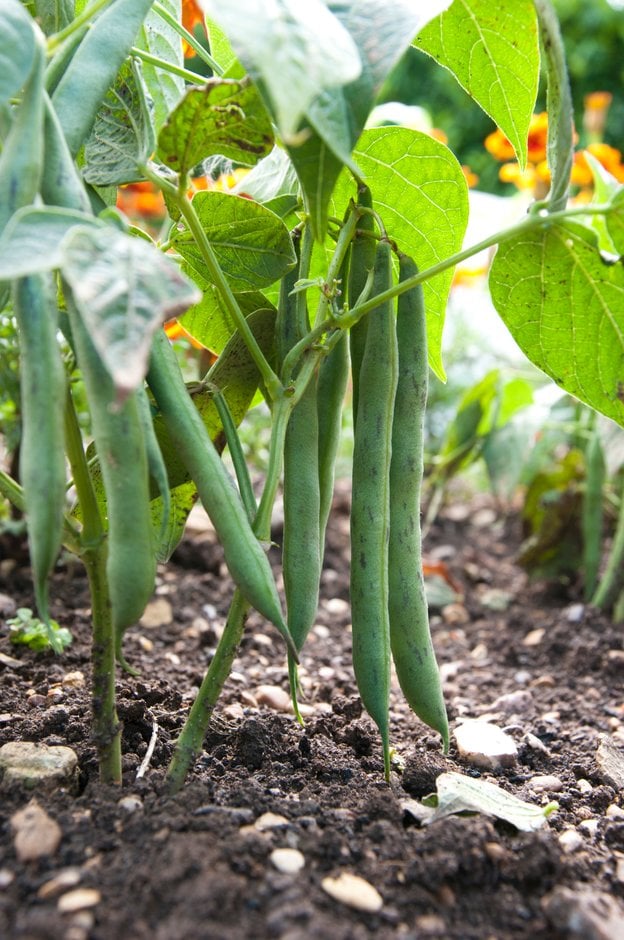
- Beans: Beans fix nitrogen in the soil, which can help to fertilize tomatoes. They also help to improve soil drainage, which is important for tomatoes.
-(2).jpg)
These are just a few of the many companion plants that can benefit tomatoes and peppers. When choosing companion plants, it's important to consider the specific needs of your plants. For example, if you're growing tomatoes in a sunny location, you'll want to choose companion plants that can tolerate full sun.
With a little planning, you can use companion planting to grow bigger, healthier tomatoes and peppers. So get out there and start planting!
Tomatoes and peppers are two of the most popular vegetables to grow in the garden, and for good reason. They are both delicious, versatile, and relatively easy to care for. But did you know that you can actually improve their yields and health by planting them together?
That's right, tomatoes and peppers are actually companion plants, which means that they benefit each other when they are grown in close proximity. For example, tomatoes release a chemical that helps to deter pests that would otherwise attack peppers. Peppers, on the other hand, help to improve the flavor of tomatoes.
If you are interested in learning more about tomatoes and peppers companion planting, I recommend visiting Gardenia Inspiration. This website has a wealth of information on the topic, including a list of the best companion plants for tomatoes and peppers, as well as tips on how to plant and care for them.
FAQ of tomatoes and peppers companion planting
Q: What are the benefits of companion planting tomatoes and peppers?
A: Tomatoes and peppers are both members of the nightshade family, so they have similar growing requirements. Companion planting them together can help to attract beneficial insects, deter pests, and improve soil health. For example, tomatoes can attract pollinators, such as bees and butterflies, which can help to improve fruit production. Peppers can help to repel pests, such as aphids and whiteflies. And both tomatoes and peppers can help to improve soil health by adding nitrogen and other nutrients.
Q: What are some good companion plants for tomatoes and peppers?
A: Some good companion plants for tomatoes and peppers include:
- Basil: Basil helps to repel aphids, mosquitoes, and other pests.
- Chives: Chives help to repel thrips and other pests.
- Marigolds: Marigolds help to repel nematodes and other soil-borne pests.
- Nasturtiums: Nasturtiums help to attract beneficial insects, such as ladybugs and lacewings.
- Onions: Onions help to repel thrips and other pests.
Q: What are some plants that should not be planted near tomatoes and peppers?
A: Some plants that should not be planted near tomatoes and peppers include:
- Cabbage: Cabbage can attract the tomato hornworm, a major pest of tomatoes.
- Eggplant: Eggplant can attract the Colorado potato beetle, a major pest of potatoes.
- Melons: Melons can compete with tomatoes and peppers for water and nutrients.
- Potatoes: Potatoes can attract the Colorado potato beetle, a major pest of potatoes.
Q: How do you support pepper and tomato plants?
A: Pepper and tomato plants can grow quite large, so they will need some support to prevent them from falling over. You can support them with stakes, cages, or trellises. When choosing a support, make sure it is the right size for the plant and that it is sturdy enough to support its weight.
Q: How do you water tomato and pepper plants?
A: Tomato and pepper plants need regular watering, but they should not be overwatered. Water them deeply once or twice a week, or more often during hot, dry weather. Be sure to water the soil around the plants, not the leaves.
Image of tomatoes and peppers companion planting
- Image 1: A garden bed with tomatoes, peppers, and marigolds. The marigolds are planted around the perimeter of the bed to help deter pests.
- Image 2: A tomato plant with nasturtiums growing at its base. The nasturtiums help to attract beneficial insects that help to control pests.
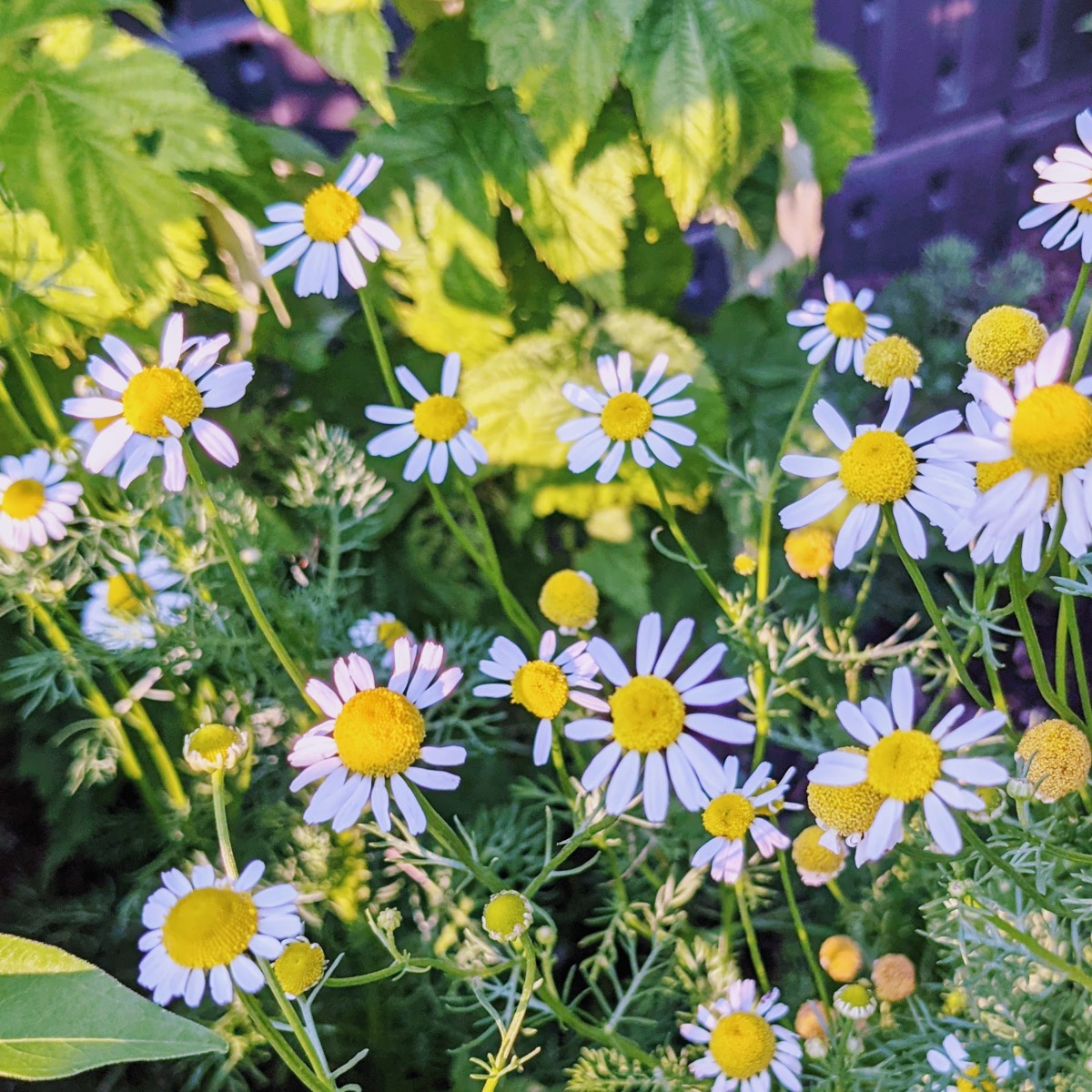
- Image 3: A pepper plant with chamomile growing nearby. The chamomile helps to repel nematodes, which can be a problem for pepper plants.
- Image 4: A garden bed with tomatoes, peppers, and beans. The beans help to fix nitrogen in the soil, which benefits the tomatoes and peppers.
- Image 5: A tomato plant with basil growing nearby. Basil helps to improve the flavor of tomatoes, and it also deters some pests.

Post a Comment for "Grow Bigger Tomatoes And Peppers With Companion Planting"